

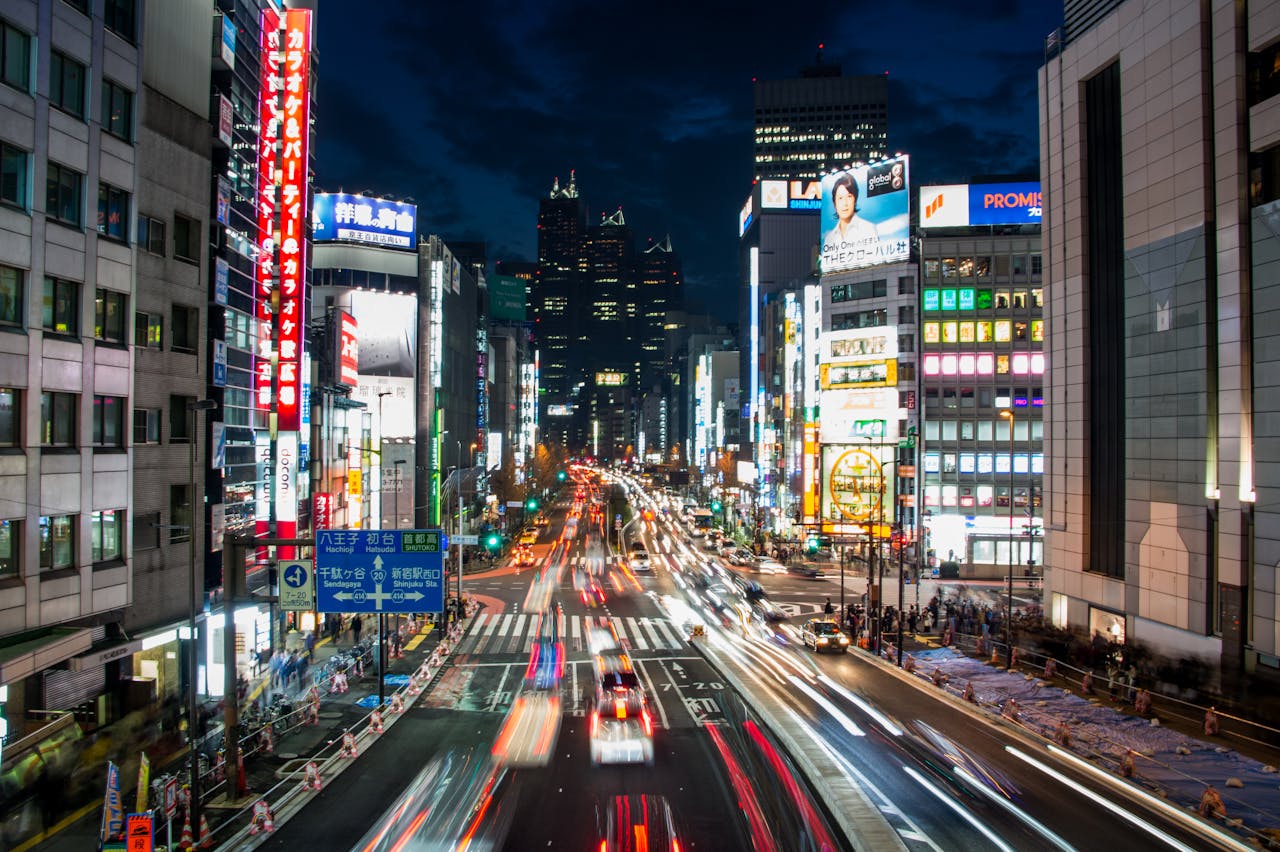
When it comes to outdoor advertising, location is just one piece of the puzzle. Timing is the other half—and it’s often underestimated. A billboard can have the most eye-catching design and prime real estate, but if it’s not scheduled strategically, you could be missing a large portion of your target audience. That’s where dayparting comes in: the practice of tailoring ad exposure to different times of the day in order to maximize visibility and impact.
Just as TV and digital advertisers schedule content to match viewer habits, outdoor advertisers can (and should) think in time slots—morning rush, midday lull, evening commute, and even late-night traffic. The goal? Make sure your message hits your audience when they’re most alert, receptive, and moving through the right places. Let’s explore how to schedule your outdoor billboard campaigns from sunrise to sunset for maximum daypart reach.
Understanding Dayparts in Outdoor Advertising
“Dayparting” is a term often associated with broadcast and digital media, but in the context of out-of-home (OOH) advertising, it’s increasingly relevant thanks to the rise of digital billboards and programmatic buying. Unlike static billboards that run a single creative 24/7, digital screens allow advertisers to schedule different creatives at specific times of day. This flexibility enables more targeted messaging and efficient use of ad spend.
The day is typically divided into key segments:
- Morning (6 AM–10 AM): Commuters are on the road, often stuck in traffic. They’re likely listening to the radio or sipping coffee—and highly receptive to short, memorable messages.
- Midday (10 AM–2 PM): Foot traffic increases in commercial districts. Think lunch breaks, errands, and retail visits.
- Afternoon (2 PM–5 PM): A slower period, but still active with students, freelancers, and shift workers.
- Evening (5 PM–8 PM): The second major commuting period. People are heading home, possibly planning dinner or unwinding from work.
- Night (8 PM–12 AM): Visibility begins to drop, but this slot can work well for nightlife, entertainment, and food delivery services.
- Late Night (12 AM–6 AM): Ideal for 24/7 brands—gas stations, diners, logistics, and emergency services.
Each daypart brings a different audience, mindset, and behavior. Matching your message to these nuances can significantly improve campaign effectiveness.
Tailoring Creative to Time-Specific Behaviors
It’s not just about when your billboard plays—it’s also about what it says during that time. A successful daypart strategy pairs messaging with behavior.
For example, a coffee brand advertising from 6 AM to 9 AM might focus on energizing headlines like “Start Strong” or “Fuel Your Morning.” That same brand can switch to iced drinks or snack-focused messages by the afternoon. A rideshare company may focus on morning commutes early in the day, then shift to promoting safe rides home at night.
Even tone matters. Bright, motivational messages work well in the early morning. Humorous or relaxing content is better suited for the evening. Contextual relevance helps your ad stand out—not just visually, but emotionally.
The Power of Digital Billboards and Programmatic Buying
Digital billboards have opened the floodgates for dayparting in OOH. Where traditional boards require weeks of planning and production, digital signage allows for near-instant creative swaps and time-based scheduling.
Programmatic platforms make this even more dynamic. Advertisers can set rules based on time, weather, traffic patterns, or even real-time data. For instance, a fast-food chain might display breakfast items only during morning hours, switch to lunch deals midday, and promote late-night snacks during the post-party crowd hours—all on the same billboard.
This real-time adaptability not only increases relevance but also reduces waste. Why run a breakfast ad at 10 PM when you can automate your content to appear only during peak breakfast hours?
Data-Driven Scheduling: Know Your Audience
To truly master dayparting, data is your best friend. Start by understanding your audience’s habits: when do they commute, shop, work out, dine, or socialize? Use mobility data, foot traffic analysis, and audience segmentation tools to align your campaign with these patterns.
Some billboard companies offer heatmaps and hourly impressions reports that show when certain locations get the most views. You might discover that a location on a busy highway sees the highest traffic from 4 PM to 6 PM—not during the morning rush, as you’d assumed.
Overlaying demographic data helps refine this further. Are you targeting working professionals, college students, or retirees? Different segments move through the world at different times—and your schedule should reflect that.
Seasonal and Event-Based Adjustments
Another layer to consider is seasonality. A sunscreen brand will benefit more from sunny afternoon placements in summer, while a hot coffee brand thrives in the chilly, early hours of winter mornings.
Events—whether they’re local festivals, concerts, or national holidays—also create spikes in foot and car traffic at specific times. Smart advertisers time their billboard campaigns around these events, syncing their dayparting strategies with real-world happenings.
Final Thoughts: Think in Moments, Not Just Impressions
Outdoor advertising is inherently about being present—in the moment, in the environment, and in the minds of the audience. Dayparting transforms your campaign from a static display into a living, breathing message that evolves with the day.
As consumer attention becomes more fragmented, and digital integration within OOH grows, timing your message is no longer optional—it’s essential. From the first light of dawn to the quiet hours past midnight, every hour presents an opportunity. The question is: are you showing up at the right time?
By combining smart scheduling, relevant creative, and real-time data, you can ensure your billboard isn’t just seen—but seen when it matters most.