
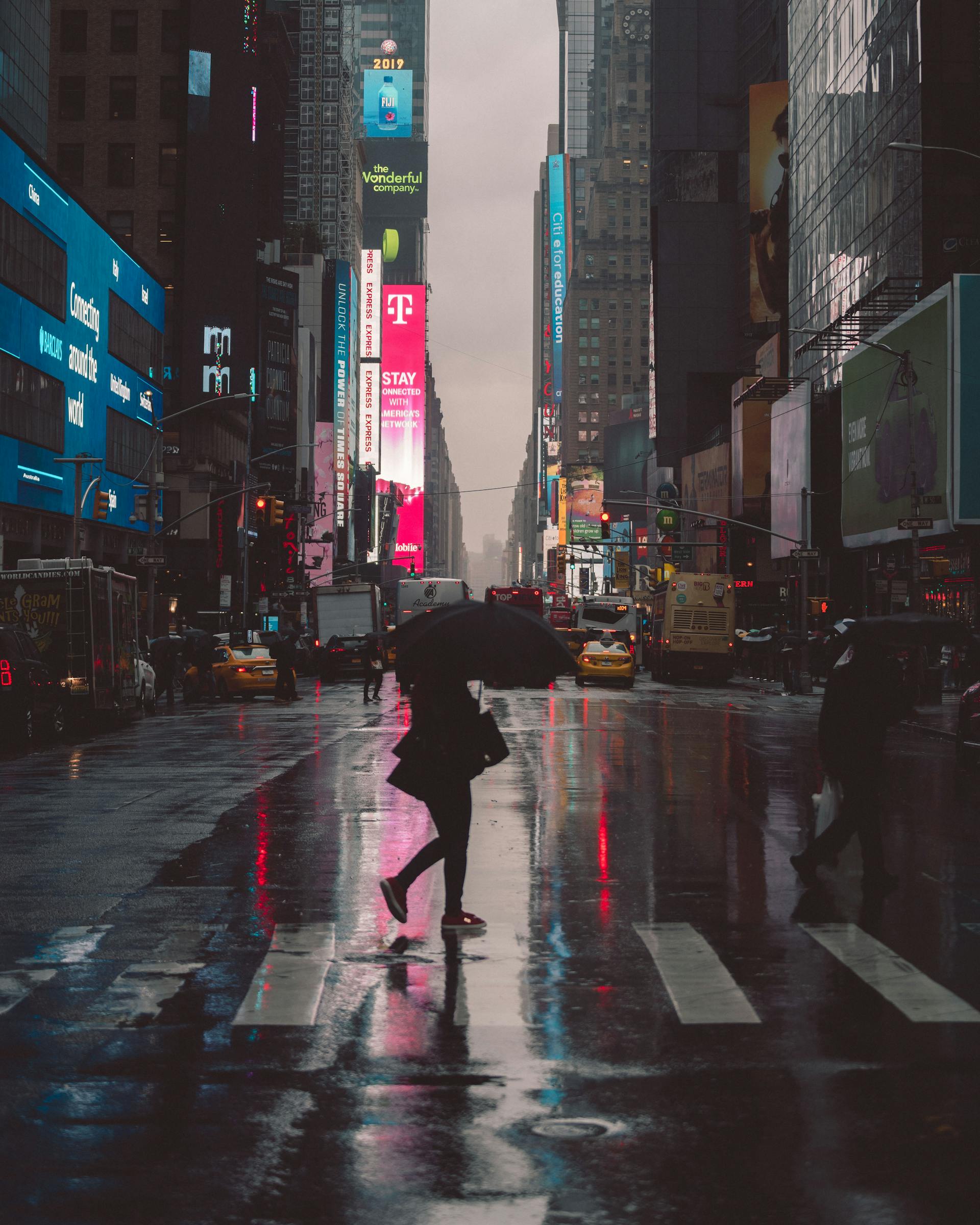
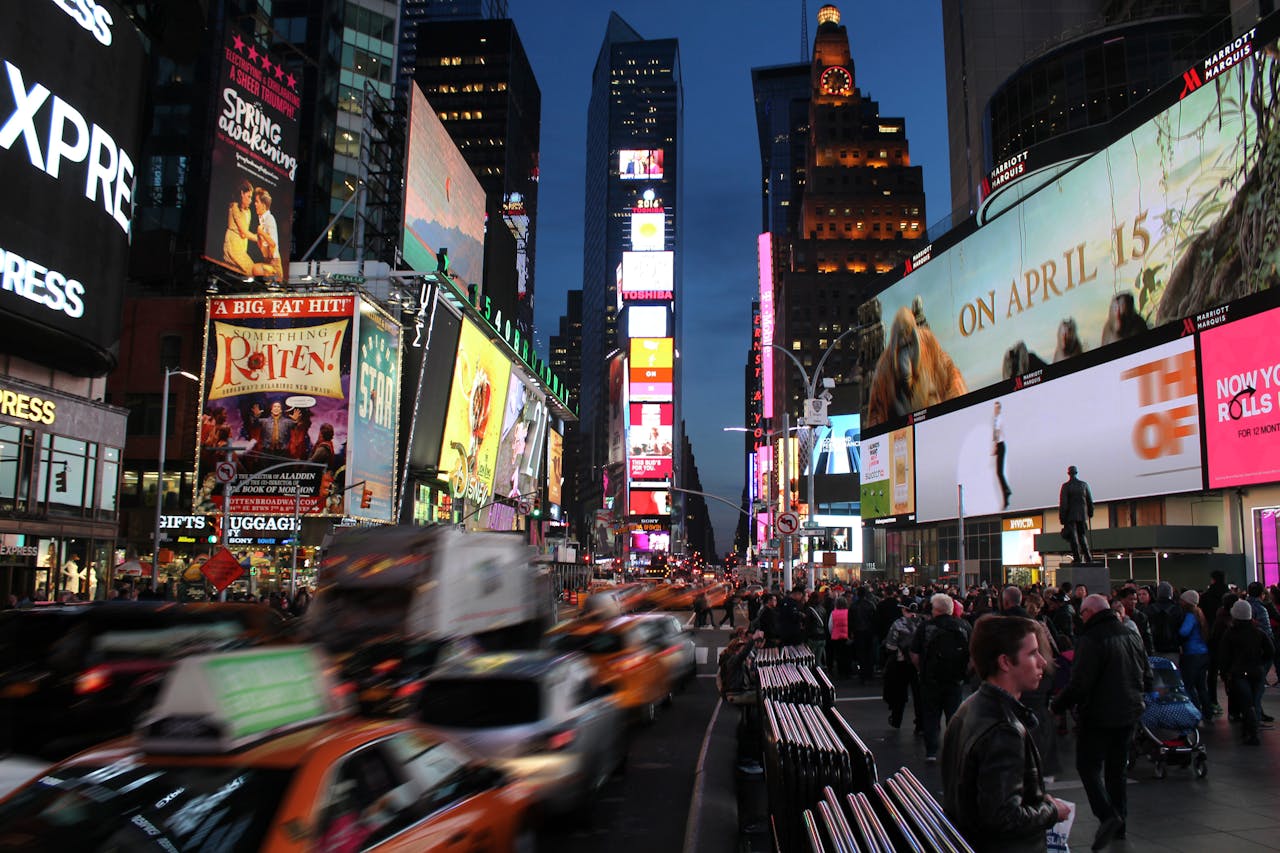
In the fast-paced world of digital advertising, it’s easy to forget the quiet yet powerful presence of a billboard standing at the corner of a neighborhood street. While massive highway billboards and flashy LED displays in Times Square dominate the perception of outdoor advertising, the real magic often happens closer to home — literally. Neighborhood billboards, often overlooked, are increasingly becoming crucial tools for community engagement and local business success.
The Human Side of Advertising
Unlike national ad campaigns that aim to reach millions, neighborhood billboards speak directly to a smaller, more connected audience. They’re not just about exposure — they’re about resonance. When someone sees a billboard for a local coffee shop on their daily walk, it feels familiar, even personal. It’s not just an ad; it’s a conversation starter, a local landmark, or even a source of pride.
This sense of familiarity builds trust. People are more likely to support businesses they feel are invested in their community. When a billboard features a nearby bakery, local event, or even a public health message relevant to the neighborhood, it sends a clear signal: “We’re part of your world.” That authenticity can’t be replicated by digital ads delivered by algorithms.
Supporting Small Business and Local Causes
For small businesses, advertising can be daunting. Competing with larger companies in digital spaces often requires big budgets and technical expertise. But a strategically placed neighborhood billboard can be a game-changer. It offers visibility right where it matters most — in the community the business serves.
Take, for example, a family-run bookstore advertising weekend events or author readings on a nearby billboard. Unlike a Facebook ad that might get lost in a crowded feed, the message is front and center for every passerby. It reaches parents walking their kids to school, commuters on their way to the train, and joggers making their morning rounds. This hyper-local approach helps small businesses build a strong, loyal customer base.
The impact isn’t limited to commerce. Community centers, schools, churches, and non-profits are increasingly using neighborhood billboards to promote events, fundraisers, and social initiatives. From food drives to voting registration reminders, these messages can have real-world effects, turning passive viewers into active participants in their community.
A Canvas for Cultural Identity
Neighborhood billboards also have a unique ability to reflect and reinforce local identity. Unlike national advertising, which often takes a one-size-fits-all approach, local billboards can highlight regional humor, language, values, and imagery. They can be bilingual or use colloquialisms that make sense only to residents of that area. This localized messaging fosters a sense of belonging and pride.
In multicultural neighborhoods, billboards can celebrate diversity by promoting events like heritage festivals or cultural markets. These public displays signal inclusion and recognition, making all community members feel seen and valued.
Some communities have even taken this a step further by dedicating billboard space to local artists. Murals, poetry, and photography installations on billboards create opportunities for public art while still leaving room for local business promotion. These efforts transform billboards from mere advertising tools into cultural touchstones.
Neighborhood Billboards as Information Hubs
During times of crisis or change, neighborhood billboards can become critical sources of information. During the COVID-19 pandemic, for example, many communities used outdoor signage to relay public health guidance, mask mandates, testing locations, and safety updates. Because these signs are unavoidable and visible to people who may not have reliable access to internet or social media, they proved to be an essential part of the public communication infrastructure.
Even in more routine circumstances, neighborhood billboards can act as community bulletin boards. Whether it’s announcing road closures, school board meetings, or farmers market hours, they serve as analog reminders in an increasingly digital world — and their permanence matters. While an email can be deleted and a tweet can be missed, a billboard remains visible day after day, reinforcing the message through sheer consistency.
Measuring the Impact
It’s not just about anecdotal success, either. Studies have shown that outdoor advertising — especially at the local level — drives higher engagement and recall than many digital formats. According to Nielsen research, 56% of consumers say they talk about a message they saw on a billboard, and 26% have visited a business specifically because of one.
The effectiveness is further amplified when billboards are combined with other channels. A local restaurant, for example, might use a neighborhood billboard to announce a new menu and then follow up with social media engagement. The real-world visibility builds credibility and creates a stronger impact than digital presence alone.
Building the Future, Block by Block
As cities and towns continue to evolve, so too will the role of neighborhood billboards. With the integration of technology, we’re seeing the rise of hyper-local digital billboards that can change messaging based on time of day, weather, or local events. These tools offer even more tailored communication while preserving the community-centric spirit of traditional signage.
But even without tech upgrades, the power of a billboard lies in its place — rooted in the streets, visible to all, and woven into the rhythm of daily life. Whether it’s reminding you of an open mic night at the local café or urging you to vote in the city council election, these neighborhood signs do more than advertise. They connect us.
In Conclusion
Neighborhood billboards are more than just space to sell. They’re platforms for storytelling, tools for awareness, and bridges between businesses and the people they serve. In a world that’s increasingly virtual, these grounded, real-world touchpoints are essential. They don’t just catch our eyes — they earn our trust, rally our support, and strengthen the communities we call home.